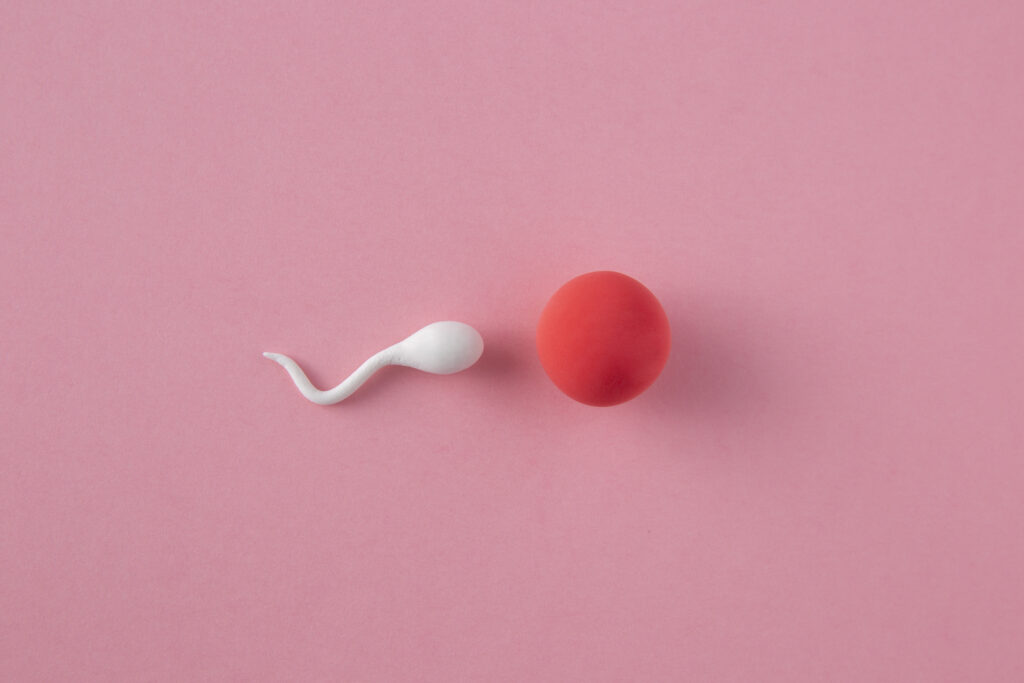
What We Need to Know About the 3 Most Important Sperm Tests
We are living in an era where the science of human reproduction


+30 2106120012 | Mesogion 3, Maroussi 15126 | info@andromedlabs.gr
We are living in an era where the science of human reproduction

Reproductive health is a crucial factor for those looking to start a family

Fertility is a critical issue in modern society as changes in lifestyle

Our most recent review explores how lifestyle changes can positively affect male fertility

Infertility is one of the major medical challenges of modern times
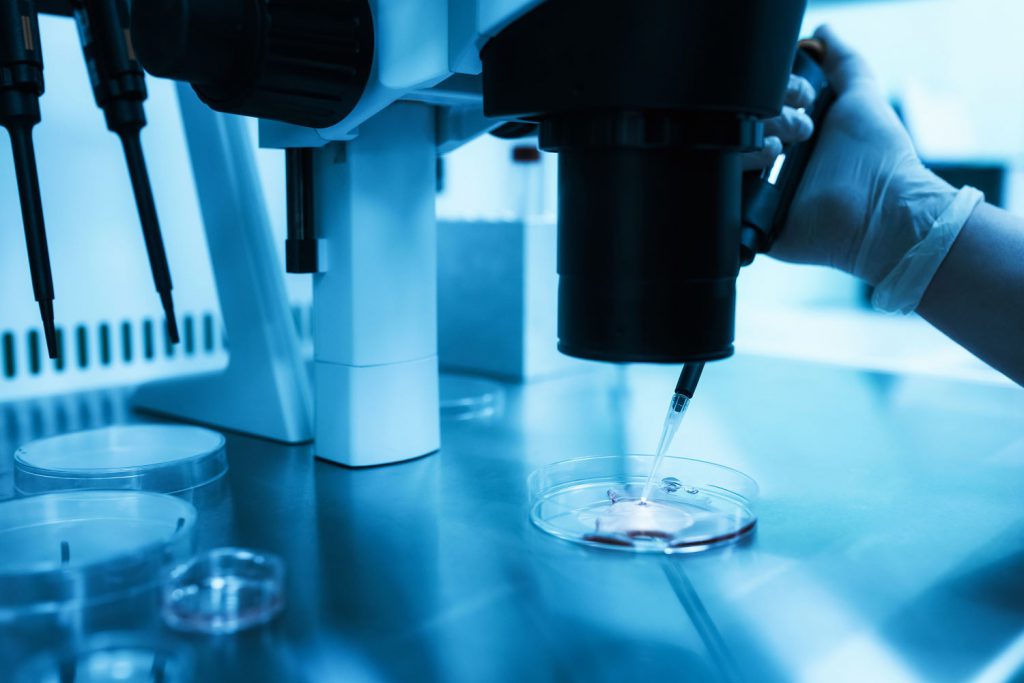
Fertility care is defined by prevention, diagnosis and treatment of infertility.
Miscarriage is the most common complication during a pregnancy, as about 15% of pregnancies will result in fetal loss, while 5% of women of childbearing age will experience spontaneous miscarriages.

Pregnancy is a beautiful journey filled with incredible aspects for the mother and her growing baby. It is a time of wonder and anticipation as new life prepares to come into the world.

Cystic fibrosis is an inherited disease of the exocrine glands affecting primarily the gastrointestinal and respiratory systems. It leads to chronic lung disease, exocrine pancreatic…

Ovarian reserve: A newborn baby girl has between 1 and 2 million oocytes in her ovaries. The number of oocytes gradually decreases during her lifetime…

Scientific evidence throughout the years, have suggested the existence of an extensive microbiome in the human body that promotes health….

A justified 15% of male infertility cases are attributed to a male genital tract infections (MGTI).

Male fertility is a fascinating topic with many intriguing aspects. Here are 10 interesting facts about male fertility.

Oxidative stress (OS) has been reported to play an important role in several causes of male infertility, including male genital tract infection/inflammation, varicocele and adverse lifestyle conditions associated with diseases such as obesity and diabetes.

Sperm DNA integrity is vital for fertilization and the development of healthy descendants, while it affects natural and assisted reproduction equally.

Lifestyle and daily habits can have a significant impact on both male and female fertility and are among the factors that are adjustable, meaning that we can improve them.

Semen analysis is the most important examination in the evaluation of male fertility and provides essential information about the health of the male reproductive system, reflecting the functionality of the testicles, the patency of the system and its secretory activity.
We may have been trying for just a month or more than a year, but the feeling of anxiety and frustration can be the same for different people. The World Health Organization recommends that a couple begin their medical investigation after one year of regular and unprotected sexual intercourse without pregnancy.

Strive for a healthy bodyweight. If you are overweight, a 5-10% weight reduction may promote proper ovarian function. Reduced bodyweight combined with female malnutrition cannot adequately support pregnancy and the development of a healthy placenta.

In general, issues concerning infertility are defined by the failure to achieve a clinical pregnancy after 12 months or more of regular unprotected sexual intercourse or following repeated miscarriages, ectopic pregnancy or perinatal loss (Zegers-Hochschild et al. 2009).

What are the symptoms of pregnancy, other than morning sickness and menopause? There are other signs and symptoms of pregnancy. The ones you mentioned are the two most common and most obvious ones. Amenorrhea (when the period stops) is a reliable symptom in women of reproductive age.

Smoking: Undoubtedly smoking is harmful, not only for you but also for your unborn child. Smoking is a form of pharmacological dependence and is blamed for almost twice the risk of miscarriage, residual fetal development, prematurity, low birth weight and less commonly for premature placental abruption.

Male infertility may result from multiple factors such as hormonal imbalances (hypothyroism, increased prolactin, low production of FSH and LH hormones), anatomical problems (varicocele), inflammation, infections, as well as due to psychological roots (increased levels of stress, low self esteem).

Prefer wearing cotton underwear. Rinse them with warm water and iron them. Wear comfortable, loose pants or skirts. Daily wash the sensitive area with plenty of water. Take a shower instead of filling the bathtub to prevent the skin bacteria from entering the sensitive area.

Sexually transmitted diseases are defined as a group of diseases caused by bacteria such as chlamydia, spirochetes, viruses, protozoa and metazoa. These diseases are mostly transmitted through sexual intercourse. Male and female condoms are, probably, the only preventing method of sexually transmitted diseases.